
When the Corporation of London commissioned me in 1994 to produce teaching materials for the 100th anniversary of the opening of Tower Bridge, I knew it would be a project of both historical and artistic significance. Tower Bridge is not only one of London’s most iconic landmarks but also a marvel of engineering. The opportunity to create drawings and designs that would help explain its construction and operation was both challenging and rewarding.
Capturing the hidden Internal Construction
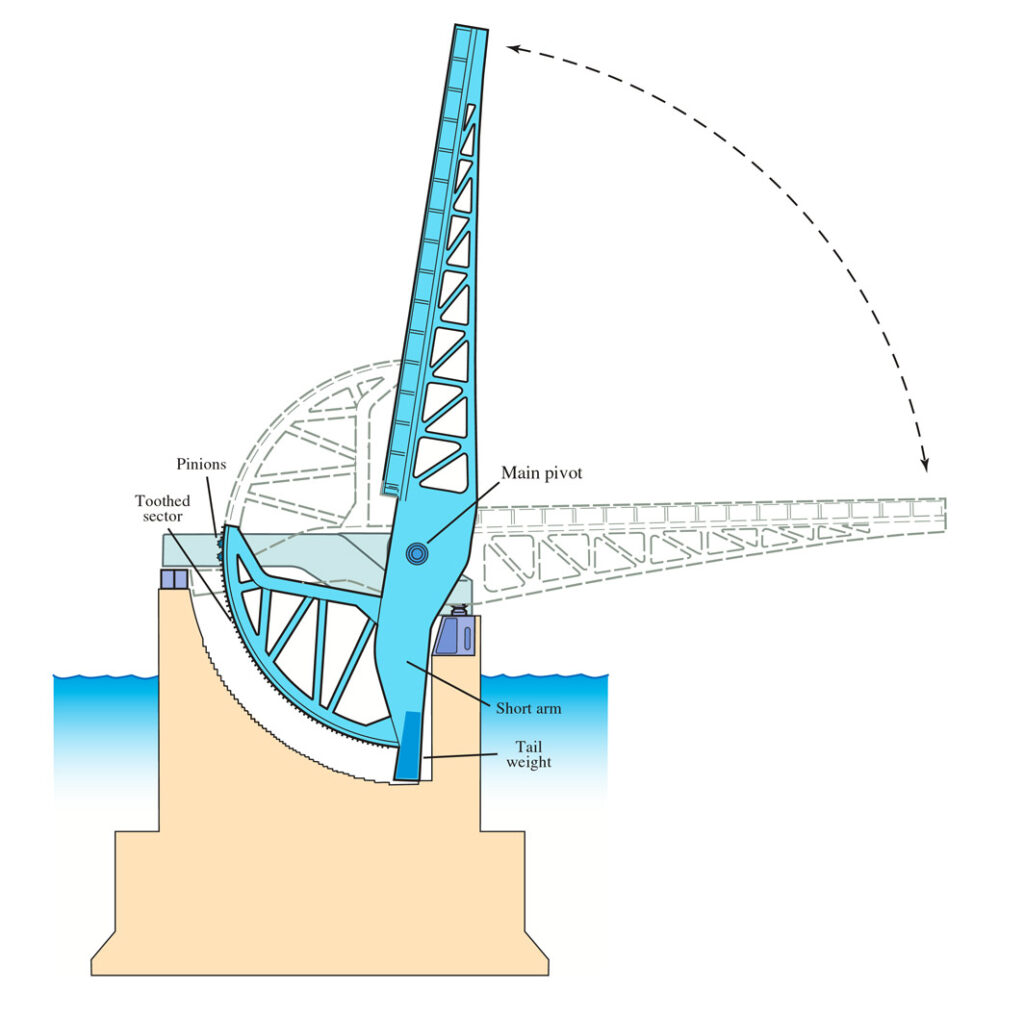
The work involved producing detailed illustrations that revealed the hidden mechanics of the bridge. These drawings showed how the mainly metal internal structure supports the immense weight of the towers and roadway. More importantly, they explained the ingenious system that allows the bascules to lift, enabling ships to pass along the Thames. By breaking down the engineering into clear visual materials, the teaching resources made the complexity of the bridge accessible to students and the general public.
Documenting the elaborate stonework
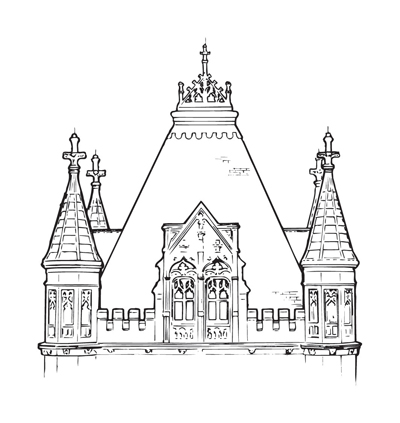
Detail of the Finials that adorn the main Towers 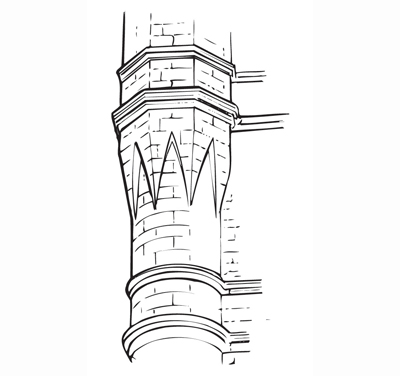
Detail of a stonework Corbel 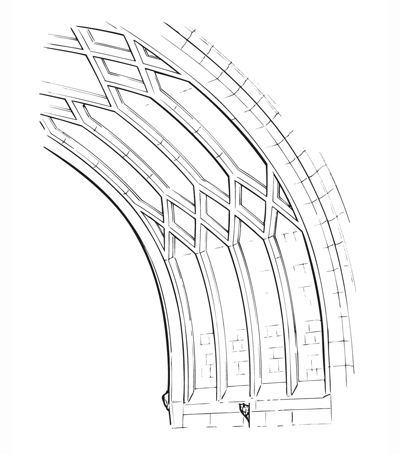
Ribbed arch on main towers
Beyond the mechanics, Tower Bridge is celebrated for its architectural beauty. The fine stonework in Gothic style that adorns the towers and walkways is a testament to Victorian craftsmanship. I created drawings that highlighted these decorative details, ensuring that the artistry of the bridge was given equal prominence alongside its engineering. These illustrations provided a close look at carvings and embellishments that many visitors might overlook, helping to convey the bridge’s dual identity as both a functional structure and a piece of art.
Exclusive Access
One of the most unique, and exciting, aspects of this project was the access I was granted to areas of the bridge not open to the public. This allowed me to study and photograph details that are rarely seen from ground level. From hidden chambers within the towers to vantage points above the roadway, these perspectives offered insights into the bridge’s construction that few people ever experience. The photographs and sketches taken during these visits became invaluable references for the teaching materials, adding authenticity and depth to the final designs.
Teaching Materials for the Future
The completed materials were designed to be versatile, suitable for both print and digital formats. Schools and institutions can use them as downloadable resources, while printed versions can be distributed for exhibitions or classroom use. By combining technical accuracy with artistic detail, the project ensures that future generations can appreciate Tower Bridge not only as a symbol of London but also as a masterpiece of engineering and design.
This commission was more than just a design project; it was an opportunity to celebrate a landmark that has now stood proudly for over 130 years, bridging the gap between history, architecture, and education.
Digi Penn
Great points to consider and reflect upon – thanks for sharing. Clear strong design – loving this